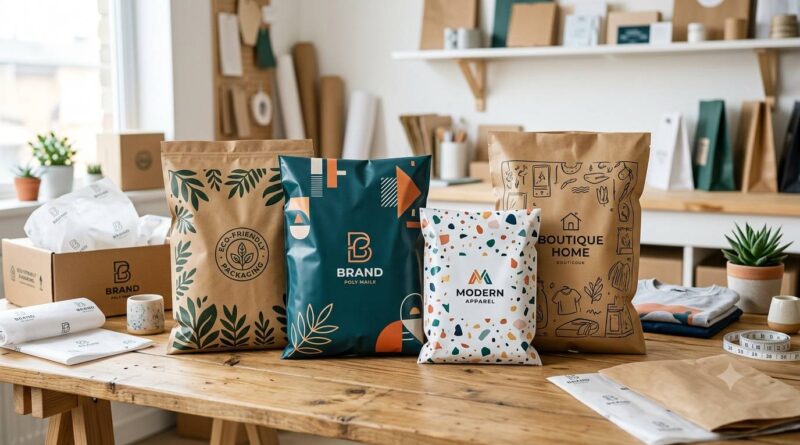
How to Choose the Right Printed Mailing Bag for Your Product and Brand
The right mailing bag protects your product, supports efficient fulfilment, and presents your brand professionally before the parcel is opened. Choosing well means considering size, strength, closure, print quality, sustainability, and customer convenience. A thoughtful packaging decision can reduce waste, control postage costs, and strengthen every delivery experience for customers.
Choosing packaging may seem like a small operational decision, but it directly affects protection, presentation, postage, and customer confidence. The best printed mailing bags should fit the product closely, withstand normal handling, and communicate your brand clearly without adding unnecessary weight or waste. A bag that is too thin may split, while an oversized option can look careless and increase material use. By reviewing product type, dimensions, order volume, artwork, closure style, and sustainability needs, you can select packaging that works efficiently behind the scenes while creating a polished impression when each order arrives safely at the customer’s door securely.
Start with the Product You Need to Send
The product should guide your packaging choice. Soft, non-fragile items like clothing and accessories usually suit flexible mailing bags, but the bag must still be strong enough for handling and delivery.
Consider the item’s weight, shape, edges, and moisture sensitivity. Sharp or delicate items may need extra protection. Choosing packaging based on transport risks is more reliable than focusing on appearance alone.
Select a Size That Fits Properly
Correct sizing improves protection and presentation. The bag should fit the packed item comfortably, allowing easy insertion and secure sealing without strain. Too much space can cause movement and waste material.
Measure the fully packed product, including any inserts or wrapping. Standard sizes range from small to extra-large, with custom options available if needed.
A close fit looks neater and reduces waste, but avoid bags that are too tight.
Match the Material to the Product
Material affects the strength, flexibility, and performance of packaging. Poly mailing bags are popular because they are lightweight, tear-resistant, and suitable for many non-fragile items, while also offering some moisture protection.
Options like 60-micron co-extruded material provide a good balance of strength and weight, but the right thickness depends on your product. Heavier items may need stronger bags, while lighter goods can use thinner options without risking damage.
Check the Closure and Return Experience
A secure closure is essential to keep the bag sealed during delivery. The adhesive strip should be strong and easy for staff to use quickly. Consider returns as well, as a double-seal option lets customers reuse the same bag. Features like perforations and handles can improve convenience. The bag should feel secure but still be easy to open without effort.
Keep the Design Clear and Recognisable
A mailing bag is seen by many people before it is opened, so branding should be easy to recognise. A clear logo, consistent colours, and a simple message often work better than a busy design.
Make sure the design matches your overall brand identity across all platforms. Also consider how it will look once packed and labelled, keeping key elements away from seams and leaving space for the delivery label.
Choose the Right Printing Method
The printing method should match your artwork. Spot-colour printing suits bold logos and simple designs, while CMYK works better for detailed, full-colour graphics. Keep in mind that minimum quantities and bag sizes may affect your options.
When comparing printed mailing bags, consider colour count, detail, and ink coverage. Always review an artwork proof before production to check colours, layout, and overall accuracy.
Consider Sustainability Carefully
Assess sustainability across the whole packaging system, not just one claim. Consider material use, recyclability, product protection, and whether extra packaging is needed.
A well-fitting lightweight bag can reduce material use and postage weight. Recyclable options are also available for more environmentally conscious packaging.
Ensure any environmental message is clear and accurate, with simple disposal guidance. Good protection also matters, as preventing damage and returns can reduce overall waste.
Plan for Efficient Fulfilment and Storage
Packaging should be easy for staff to use. Bags that are difficult to open, fill, or seal can slow down packing, especially during busy periods. Testing the process in advance helps identify any issues.
Consider how quickly staff can handle the bags and apply labels, as small delays can add up. Storage is also important. Mailing bags take up less space than boxes, but multiple sizes still need organisation. Keep a simple range and label storage clearly to reduce errors.
Review Order Quantities and Future Demand
Custom packaging is usually ordered in bulk, so base your purchase on realistic demand. The mailing bag range starts at 500 units, with higher quantities available.
Before ordering, consider monthly usage, seasonal demand, promotions, storage space, and possible branding changes. Ordering too little can cause shortages, while ordering too much may waste space and lead to outdated stock.
Include a small buffer, but avoid overestimating growth. A flexible, year-round design is often more practical than one tied to short-term campaigns.
Prepare and Test the Artwork Carefully
Ensure artwork is production-ready, not just visually appealing. Use high-quality vector files, confirm colours, and keep text clear at print size, as fine details may not reproduce well.
Request the supplier’s template and check all areas, including seams and label space, before approval. Review the final proof carefully.
Test the bag with the actual product by packing and sealing it as usual. Make sure it feels strong, stays secure, and the design remains visible.
Conclusion
The right mailing bag should protect the product, support quick fulfilment, present the brand clearly, and avoid unnecessary material. Measure the packed item, choose the right size and strength, and check closure, returns, and design clarity. Also review sustainability, order quantities, and storage. Careful planning helps you choose printed mailing bags that work reliably and create a professional impression.