Packing Tips to Help Make Your Pinner Move More Organised
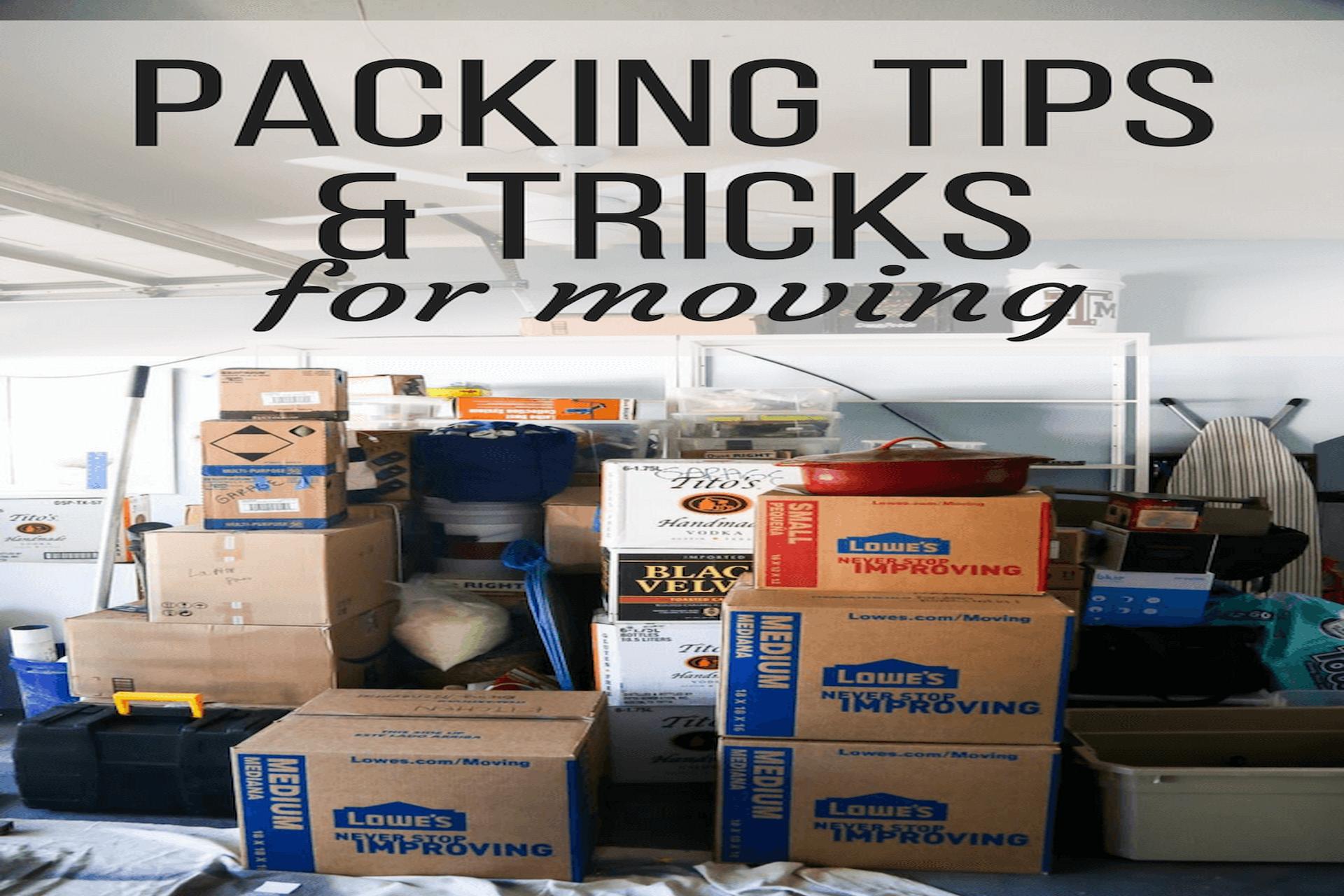
Packing is often the most time-consuming part of moving home. Without a clear system, boxes quickly become mixed up, essential items go missing, and unpacking feels far harder than it needs to be.
A little preparation can make the entire process more manageable. By sorting your belongings, using suitable materials and packing one room at a time, you can reduce stress and arrive at your new property feeling organised.
Start Planning Early
Begin packing several weeks before your moving date wherever possible. Start with items you rarely use, such as seasonal clothing, books, ornaments and spare bedding. Everyday essentials can be left until the final few days.
Creating a simple packing timetable will help you divide the work into manageable tasks. If you plan to use a Pinner removal company, confirm the moving date early and ask whether it provides boxes, packing materials or a professional packing service.
Declutter Before Filling Boxes
Moving unwanted belongings wastes time, space and money. Go through each room and separate everything into four groups: keep, donate, sell and recycle.
Be practical when making decisions. If an item is damaged, no longer useful or has remained untouched for years, moving house may be the right time to let it go. Decluttering also means fewer boxes to unpack at the other end.
Gather Suitable Packing Materials
Strong packing materials protect your possessions and make boxes easier to handle. Avoid relying entirely on old supermarket cartons, as they may be weak, damp or unsuitable for heavy items.
Useful supplies include:
- Small and medium double-walled boxes
- Packing tape and a tape dispenser
- Bubble wrap or recyclable paper
- Permanent marker pens
- Furniture covers
- Resealable bags for small fittings
- Labels in different colours
Use smaller boxes for books, tools and other heavy objects. Large boxes are better suited to lightweight belongings such as cushions, towels and bedding.
Pack One Room at a Time
Packing room by room prevents belongings from different areas becoming mixed together. Complete one space before moving on to the next, keeping only the items you still need.
Avoid leaving half-packed boxes around the property. Fill empty spaces with paper or soft fabrics so that contents do not shift during transport, but make sure no box becomes too heavy to lift safely.
Create a Clear Labelling System
Write the destination room and a brief description of the contents on every box. Label the top and at least one side so the information remains visible when boxes are stacked.
A colour-coded system can make unloading quicker. For example, use blue labels for the kitchen, green for bedrooms and yellow for the living room. Numbering the boxes and keeping a simple inventory will also help you notice if anything is missing.
Protect Fragile Belongings Properly
Wrap glasses, plates, mirrors and decorative items individually. Plates are generally safer when packed upright rather than laid flat, while crumpled paper can be used to fill gaps.
Mark fragile boxes clearly, but do not assume a label provides enough protection. Inform your Pinner removal company about particularly delicate, valuable or unusually shaped possessions so the team can plan how to handle them safely.
Keep jewellery, important documents, medicines and small electronic devices with you rather than placing them on the removal vehicle.
Prepare Furniture and Appliances
Measure large furniture, doorways, staircases and tight hallways before moving day. This will help you identify items that need to be dismantled in advance.
Place screws, bolts and other fittings in labelled resealable bags and attach them securely to the relevant furniture. Take photographs before disconnecting televisions, computers and other electronics so you can reconnect the cables correctly later.
Defrost and clean your freezer at least 24 hours before the move. Washing machines should be disconnected carefully, drained and fitted with transit bolts where required.
Pack a Moving-Day Essentials Box
Pack one clearly marked box or suitcase containing everything you will need during the first night. Transport it separately so it does not become buried beneath other belongings.
Consider including:
- Kettle, mugs and basic refreshments
- Toiletries and toilet roll
- Phone chargers
- Medicines
- Clean clothes and nightwear
- Basic cleaning products
- Important documents
- Bedding and towels
If you are moving with children or pets, include familiar toys, food and comfort items to help them settle.
Frequently Asked Questions
When Should I Start Packing for a House Move?
Most households should begin four to six weeks before moving day. Larger properties may require longer. Begin with non-essential belongings and gradually work towards frequently used items as the move approaches.
What Should Not Be Packed in a Removal Van?
Keep cash, passports, jewellery, medicines, legal papers and keys with you. Flammable liquids, gas cylinders, paint and certain chemicals may not be accepted, so discuss restricted items with your removals provider.
How Can I Avoid Overpacking Boxes?
Use small boxes for heavy items and test the weight as you pack. Distribute heavier belongings across several cartons and fill unused spaces with lightweight padding to prevent movement.
Conclusion
An organised move begins with early planning, careful decluttering and a consistent packing system. Strong boxes, clear labels and suitable protection will make loading, transport and unpacking considerably easier.
Prepare your essentials separately and communicate any special requirements before moving day. Taking these practical steps will protect your possessions and help you settle into your new Pinner home with less disruption.