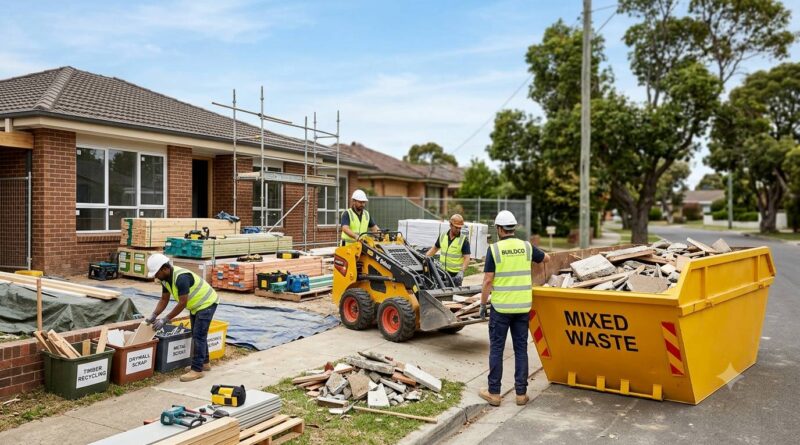
Smart Waste Planning Ideas for Smoother Renovation and Building Projects
Renovation and building work inevitably produce large amounts of material that must be cleared away. From demolished walls and excavated soil to packaging and leftover fittings, unmanaged waste can quickly disrupt schedules, create safety hazards and add unnecessary cost. Thoughtful planning from the start keeps the site organised and helps the project stay on track.
A clear approach to waste reduces delays and supports compliance with local rules. In areas such as south-west London, many project managers and homeowners turn to options including skip hire Richmond to provide reliable containment and removal while work progresses.
Assessing Waste Volumes Early
Accurate estimation of debris is one of the most useful first steps. Measuring the spaces involved, listing items for removal and allowing for packaging and off-cuts gives a realistic picture of the volume that will arise. This information guides decisions about container size and collection frequency.
Local collection services can then be matched to the scale of the job. Residents and contractors often find that skip hire Richmond offers a practical way to keep mixed materials contained on site until they are ready for processing, avoiding the need for repeated small clearances.
Choosing Suitable Containers and Placement
Matching the container to the expected waste type and volume prevents both under-use and overflow. Smaller units work well for internal refits, while larger ones suit structural changes or groundworks. Positioning near the active work zone, yet clear of access routes and neighbouring boundaries, maintains safe movement around the site.
Regular monitoring ensures loads remain within permitted levels and that materials stay segregated where possible. Simple covers help protect contents from weather and reduce the risk of debris spreading beyond the designated area.
Organising Materials on Site
A short daily routine keeps waste under control and makes later removal more efficient.
- Separate clean rubble, timber and metals from general mixed waste
- Bag lighter debris such as packaging and off-cuts at the end of each day
- Store hazardous items separately according to local guidance
- Keep walkways and entrances clear of accumulated material
- Label temporary storage points so trades know where to place items
Coordinating with Timelines and Trades
Aligning waste collection with key project stages avoids bottlenecks. Booking removals to coincide with the end of demolition or major structural work frees space for the next phase. Sharing the plan with contractors helps everyone follow the same system and reduces the chance of mixed or contaminated loads.
Clear communication also supports any inspection or planning requirements. A well-documented process demonstrates responsible handling and leaves the site ready for finishing trades without last-minute clearances.
Supporting Better Environmental Outcomes
Sorting materials at source increases the proportion that can be recycled or reused. Clean aggregates, metals and untreated timber often have established recovery routes. Checking acceptance criteria with the chosen service maximises diversion from landfill and supports wider sustainability aims.
Responsible disposal of residual waste completes the picture. Following local rules for any restricted materials protects both the site and the surrounding area while the project moves forward.
In Summary
Smart waste planning turns a potentially disruptive part of renovation and building work into a managed process. Early volume assessment, suitable containers, consistent on-site organisation and timely coordination all contribute to smoother progress and fewer interruptions.
Taking these steps from the outset helps maintain safety, control costs and leave the finished project free of unnecessary clutter. A structured approach to waste supports both practical delivery and responsible site management throughout the work.